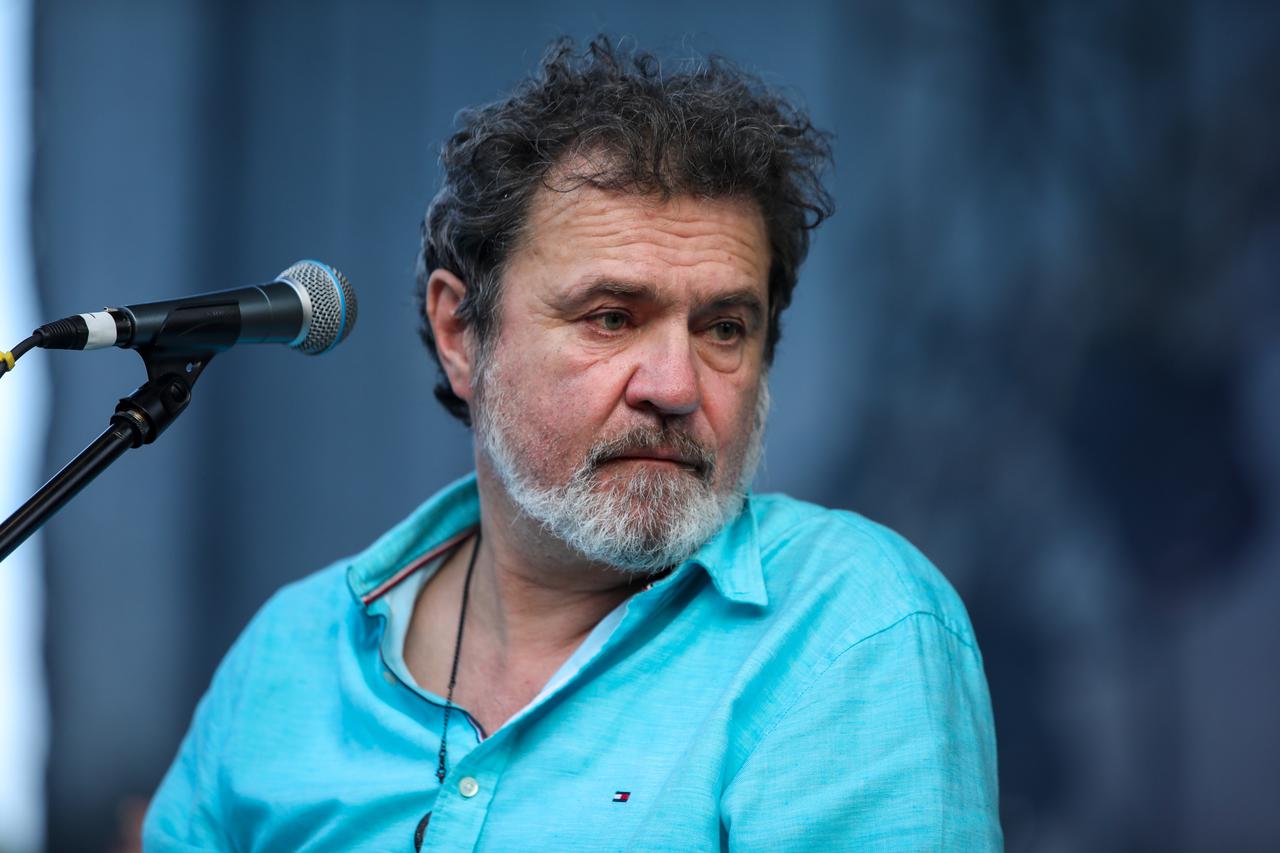
Beginnings and Mediterranean influence
Alen Vitasović is one of the key figures of the Istrian music scene. By using the Istrian dialect and Mediterranean melodies, he brought authenticity and recognition to Croatian music. His work combines tradition, modern pop-rock arrangements, and a distinctive regional sound. Alen showed that even a local idiom can create strong and universal music.
Hits that marked his career
During his rich career, Alen produced many songs that became evergreens. Singles like “Ne moren bež nje”, “Jenu noć”, “Niš mi se ne da”, and “Ja ne gren” remain essential parts of Croatian discography. These songs are sung by generations, and audiences still perform them loudly at concerts. His music touches both younger and older fans, building a bridge between generations.
New singles and creative energy
During the pandemic and after it, Alen showed strong creative drive. He released “U dušu”, “Oštarije su mi zaprli”, “Ili si ili nisi”, “Da se ne zatare”, and “Vrime je za doma poć”. The song “Brajde”, made in collaboration with Lima Lena, became a new favorite among listeners. This creativity shows that Vitasović is not only a singer of past hits. He is an author who continues to shape the music scene today.
A multi-talented musician
Besides being a powerful vocalist, Vitasović is also a skilled instrumentalist. He plays saxophone, keyboards, accordion, and flute. His concerts are always unique experiences: emotional, energetic, and cathartic. The audience loves his performance of “Bura”. He often surprises with a moving rendition of “Purple Rain”.
Awards and recognition
His contribution to music was officially recognized in 1997 when he was awarded the Order of Danica Hrvatska with the image of Marko Marulić for his cultural achievements. He also received several Porin Awards, including the 1995 Porin for Best New Artist. Later awards for hits and vocal performances further strengthened his status as a true ambassador of Istrian and Croatian music.
Conclusion
Alen Vitasović remains a key figure of Istrian and Croatian music. His ability to merge local dialect, Mediterranean spirit, and modern arrangements makes him a symbol of authenticity and artistic strength.